
GET MORE FROM YOUR MATTRESS
(AND YOUR MONEY)
Sign up for Email Updates!
- Discounts
- Tips
- Latest News
- New Products
Get More From Your Mattress (and your money)



GET MORE FROM YOUR MATTRESS
(AND YOUR MONEY)
Save up to 35% off when you bundle select mattresses with select adjustable bases (up to $2,254.98 in savings!). Queen mattresses starting at $389. Details.
Copyright © 2026. Texas Mattress Makers.
Last Updated on: May 8, 2026 · 8 min read

| Research suggests women may need slightly more sleep than men (around 20 minutes more per night) due to differences in brain activity, hormonal fluctuations, and sleep disruptions. |
Picture this: Sally and Joe go to bed at 11 p.m. and wake up at 6 a.m. every day. Same schedule, same eight hours of sleep. But when the alarm goes off, Joe springs out of bed while Sally hits snooze… twice. What’s going on?
The answer to “do women need more sleep than men?” is more nuanced than people realize. While men and women both need the recommended amount of sleep each night (7–9 hours), there are important differences in how both sexes experience sleep, and why women often need slightly more rest to feel fully recovered.
Professor Jim Horne, Director of the Sleep Research Center at Loughborough University, wrote the following quote in his book, Sleepfaring: A Journey Through The Science Of Sleep:
“Women tend to multi-task, they do lots at once and are flexible, and so they use more of their actual brain than men do. Because of that, their sleep need is greater.”
Professor Jim Horne
Here at Texas Mattress Makers, we believe that everyone, regardless of gender, can get better sleep each night with the right mattress. Our Mattress Experts™ are trained in both mattress construction and sleep science to be able to recommend the best bed for your specific body and needs for restful sleep every night.
But for our readers who have more questions about sleep, especially regarding male vs female sleep research, we’re here to help. Please note, however, that this content is meant for informational purposes only and is not intended to replace medical advice.
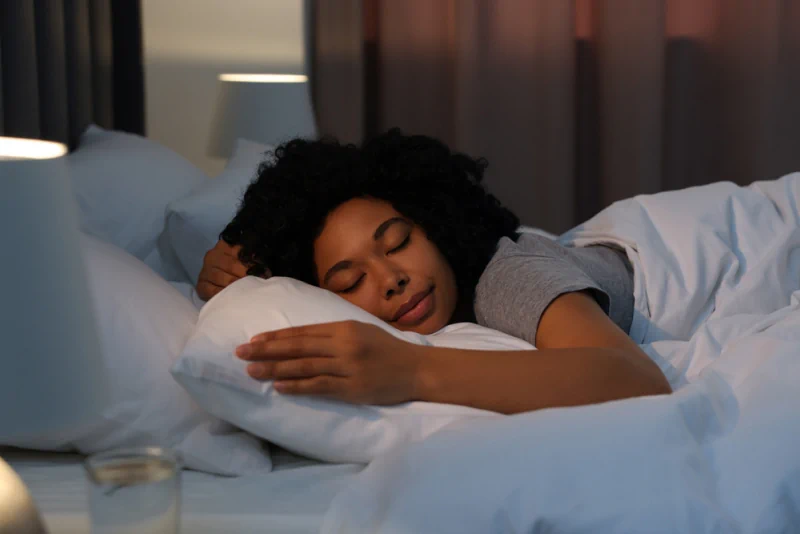
Best Night’s Sleep Every Night
| Several factors contribute to women potentially needing more sleep: hormonal fluctuations (menstruation, pregnancy, menopause), a higher chance of sleep disturbances, and an increased sensitivity to lack of sleep. |
The answer to “How much sleep do you need?” depends on age, health status, and individual factors. But for women, hormonal changes and sleep disruptions throughout life may increase that baseline need. Here are some reasons why female-born individuals might need more sleep than their male-born counterparts.
Understanding how sleep affects mental health becomes especially important for women, given these heightened vulnerabilities. Quality sleep isn’t just about feeling rested; it’s essential for emotional regulation and mental well-being.
Hormonal changes create unique sleep challenges at different life stages:
Historically, most early sleep research focused exclusively on men, and women weren’t routinely included in sleep disorder studies until the 1990s.
We mention this because it does impact what we consider to be “the standard,” as most sleep studies have only focused on white men. In the beginning, this research had severe gaps not only in data surrounding women, but also in representation of individuals of other racial and ethnic groups.
Modern sleep research now includes diverse populations, and we’re finally understanding how biological sex affects sleep differently. But decades of male-focused research mean some sleep disorders in women remain underdiagnosed and undertreated.
| Most adult women need the recommended 7–9 hours of sleep per night to stay healthy (the same as men). |
While women may benefit from slightly more sleep than men (around 11–20 minutes more on average), that doesn’t translate to needing 9–10 hours nightly. The 7–9 hour recommendation applies across genders, with individual variation based on factors like age, health status, activity level, and sleep quality.
No, they do not. In fact, getting significantly more than nine hours regularly can be associated with health concerns and may signal that sleep quality — not quantity — is the real issue. If you’re consistently sleeping 9–10 hours and still feel exhausted, your mattress, sleep environment, or an underlying sleep disorder might be compromising your rest.
Keep reading: Is oversleeping bad?
Sleep deprivation affects everyone, but research suggests women may experience more severe consequences. What happens when you don’t get enough sleep includes:
Chronic sleep deprivation in women is associated with higher rates of depression, anxiety, increased stress hormones, and greater feelings of hostility and anger compared to men experiencing similar sleep loss. The body’s stress response to insufficient sleep appears more pronounced in women, making quality rest even more critical.
Ladies, we know it might seem as if your body is working against you. But if you’ve ruled out underlying health conditions with your doctor, the foundation of better sleep comes down to your sleep setup and habits.
Start with your mattress.
An uncomfortable or worn-out mattress is the quickest way to sabotage sleep quality. If your mattress is over 7–10 years old, creates pressure points, or leaves you waking up with aches, it’s time for an upgrade. The right mattress supports your spine, relieves pressure, and stays comfortable throughout the night. No more tossing and turning.
Consider your base.
A quality foundation, adjustable base, or bed frame can make a significant difference, especially for women dealing with pregnancy discomfort, acid reflux, or circulation issues. Our favorite recommendation is our Lifestyle Bases, more commonly known as adjustable bases, that let you elevate your head or legs to find positions that reduce pressure and improve comfort.
Optimize your sleep environment.
Keep your bedroom cool (60–67°F), dark, and quiet. If you’re a hot sleeper or dealing with night sweats, temperature-regulating bedding and a cooling mattress help your body maintain the cooler temperature it needs for quality sleep.
Build a consistent bedtime routine.
Your body thrives on consistency. Go to bed and wake up at the same time daily, even on weekends. Wind down with calming activities — reading, light stretching, or meditation — and avoid screens for at least 30–60 minutes before bed. It may seem like another thing added to your to-do list, but trust us, it will improve your sleep quality over time.
So, do women need more sleep than men? Not necessarily. But here’s what we do know: whether you need 7 hours or 9 hours, whether you’re a man or a woman, one thing remains constant: you can’t get quality sleep on a mattress that doesn’t support your body properly.
At Texas Mattress Makers, we’ve spent over 45 years understanding how different bodies need different support. Our handcrafted mattresses are built in our Downtown Houston factory using quality materials designed to last much longer than the industry standard. Our Mattress Experts™ are trained in both manufacturing and sleep science to help you find the right mattress for your body type, sleep position, and comfort preferences.
For women dealing with hormonal changes, night sweats, or pregnancy-related sleep issues, we have mattresses with temperature regulation and pressure relief tailored to your needs.
Visit any of our mattress stores in Houston to experience the difference quality craftsmanship makes. Your body deserves the restorative sleep it needs, and we’re here to help you get it.
More Helpful Articles by Texas Mattress Makers:

Reviewed By:
Youval Meicler
Founder and President
Texas Mattress Makers's informational articles are reviewed by Youval Meicler, Founder and President of Texas Mattress Makers, who brings over 45 years of mattress expertise to ensure every piece reflects current industry standards and real-world knowledge.