
GET MORE FROM YOUR MATTRESS
(AND YOUR MONEY)
Sign up for Email Updates!
- Discounts
- Tips
- Latest News
- New Products
Get More From Your Mattress (and your money)



GET MORE FROM YOUR MATTRESS
(AND YOUR MONEY)
Enjoy up to 30% off cooling mattresses with free delivery on select mattresses (up to $1,946.99 in savings!). Queen mattresses starting at $599. Details.
Copyright © 2026. Texas Mattress Makers.
Last Updated on: April 30, 2026 · 9 min read
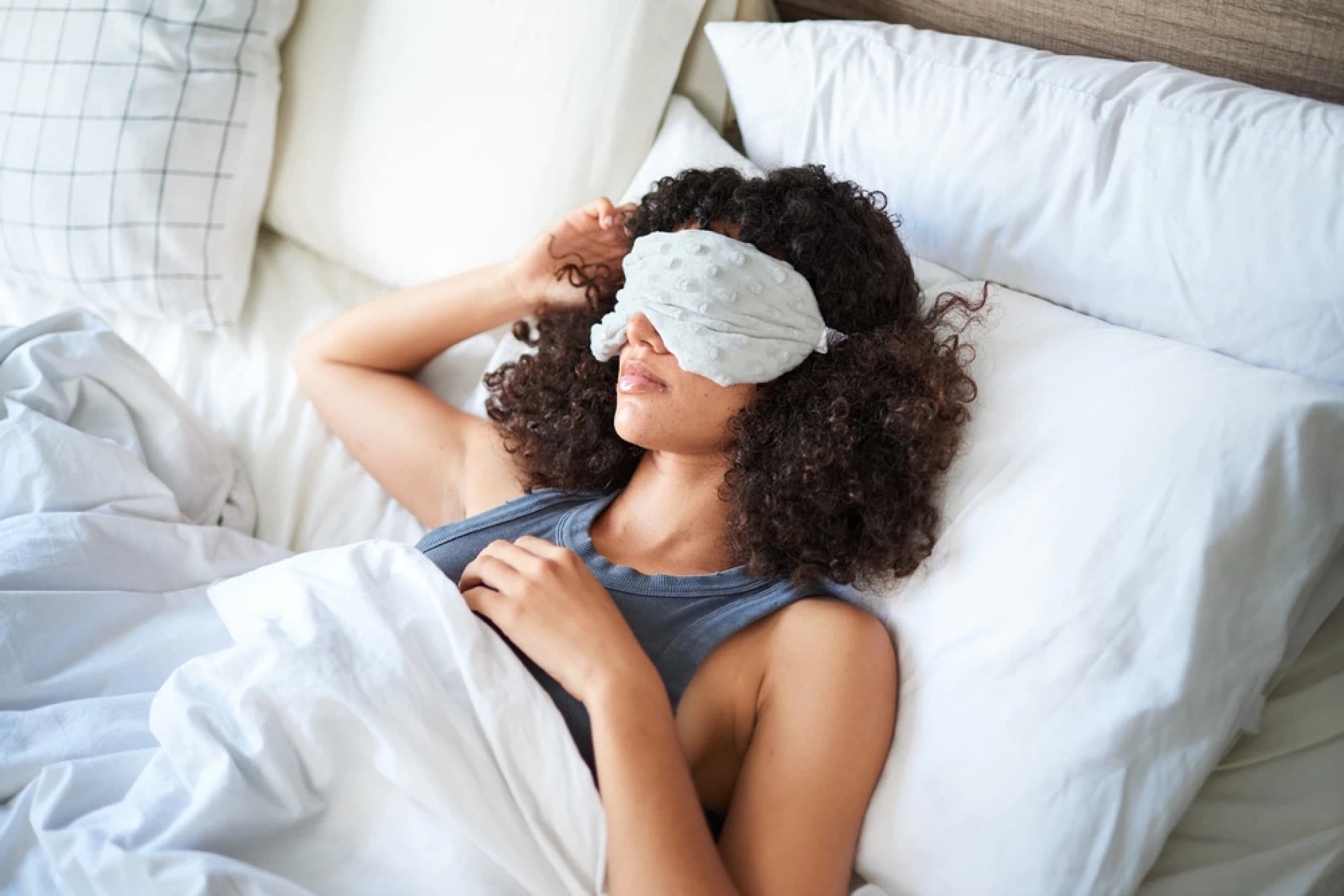
Although sleep is one of the most important things we do as a species, it can often be a very confusing subject to navigate. With so much advice and conflicting information out there, it’s easy to feel overwhelmed if you don’t know the basics.
Sleep questions deserve real answers from people who understand both mattress construction and sleep science. Our Mattress Experts™ at Texas Mattress Makers — trained in manufacturing with over 45 years of combined experience — are here to answer the most common questions about sleep that people ask.
You’ll find straightforward, expert answers here. No marketing fluff, just honest guidance from a team that’s spent decades helping millions of Texans sleep better.

Which Mattress is Best for You?
| Sleep provides the necessary restorative process our body and brain need to function properly each day. |
Sleep allows your body to:
In simple terms, sleep is essential to survival, just like food and water. Your brain and body use sleep to perform critical maintenance that can’t happen while you’re awake. During sleep, your brain processes the day’s information and moves it from short-term to long-term memory. Your body repairs muscle tissue, synthesizes proteins, releases growth hormones, and strengthens your immune system.
Without adequate sleep, none of these processes work properly. What happens when you don’t get enough sleep goes far beyond feeling tired. Chronic sleep deprivation can:
Your body literally needs sleep to function at a basic level.
| Poor sleep often results from an unsupportive mattress, stress, irregular sleep schedules, or blue light exposure before bed. |
The reasons for poor sleep are often interconnected. Here are some examples:
Sometimes the cause is medical. Conditions like insomnia, sleep apnea, restless leg syndrome, chronic pain, or hormonal changes can all interfere with quality rest. Other times, it’s behavioral — irregular sleep schedules, late-night caffeine or alcohol consumption, or blue light exposure too close to bedtime can make it harder to fall and stay asleep.
Identifying what’s causing your sleep issues is the first step toward fixing them. Knowing how to get better sleep often requires addressing multiple factors at once:
If you want a deeper dive into what to avoid before bedtime, Youval and Rachael share their expert tips in the video below.
| Adults need 7–9 hours of sleep per night, while newborns need 14–17 hours and children need 9–14 hours, depending on their age. |
How much sleep do I need? Can I get by on just five or six hours of sleep? No, you cannot. According to the Mayo Clinic, here is the recommended amount of sleep per age group to keep your body and brain healthy:
The key to getting enough sleep each night depends on factors beyond just age. Your activity level, health status, stress levels, and sleep quality all play a role. Keeping a consistent sleep schedule by getting roughly the same amount of sleep each night matters more than occasionally sleeping in on the weekends. Do your best to wake up and go to sleep around the same time every day to train your body to know when it’s time to wind down and when it’s time to wake up.
If you’re consistently sleeping within the recommended range but still feel exhausted, the issue might be sleep quality rather than quantity.
| You overheat during sleep when your mattress traps heat, your room is too warm, or your bedding doesn’t breathe. |
Your body temperature naturally drops as you fall asleep as a part of your circadian rhythm. But if your mattress retains heat, your sheets don’t breathe, or your room is too warm, your body struggles to maintain that cooler temperature. That’s when you start tossing, turning, and waking up throughout the night.
Here are some possible causes of feeling hot when you sleep:
If you’re consistently overheating at night, start by adjusting your thermostat, switching to breathable sheets, and evaluating whether your mattress is part of the problem. Below, Youval and Rachael tell us more about how our sleep solutions are the best way to combat sweaty sleep.
| Screens emit blue light that suppresses melatonin and stimulates your brain, making it harder to fall asleep. |
We know that scrolling on your phone before bed is tempting, but it can keep you from getting the rest you need. It’s not just the light, it’s how your brain responds to it.
Your brain relies on light cues to know when it’s time to sleep. As natural light fades outside, your body begins producing melatonin, the hormone that makes you feel drowsy. Blue light from phones, tablets, and TVs disrupts that process by signaling to your brain that it’s still daytime.
On top of that, the content you’re engaging with keeps your mind active when it should be winding down.
Ideally, you should stop using electronics at least 30–60 minutes before bed. This gives your brain time to start producing melatonin naturally and allows your mind to wind down from the day’s stimulation. The longer you can extend that buffer, the better.
If you absolutely must use devices before bed, enable night mode or blue light filters, dim your screen brightness, and avoid engaging content that increases stress or mental activity.
| Taking melatonin nightly can reduce your body’s natural melatonin production and may mask underlying sleep problems. |
The melatonin pros and cons depend heavily on how and why you’re using it. Occasional use for specific situations? Generally fine. Nightly use as a long-term solution? Not a good sign. It’s worth investigating what’s actually preventing quality sleep and addressing those root causes instead.
Melatonin supplements can be helpful for occasional sleep disruptions, such as jet lag. But relying on them nightly means you’re treating a symptom without addressing the cause. If you need melatonin to fall asleep every single night, something else is wrong, whether it’s your sleep environment, stress levels, bedtime routine, or mattress quality.
Long-term melatonin use can also make your body dependent on the supplement to produce drowsiness. Your natural melatonin production may decrease, making it even harder to sleep without the supplement. There are also concerns about proper dosing, as many over-the-counter melatonin supplements contain doses far higher than what your body naturally produces.
If you’re consistently having trouble falling and staying asleep, talk to your doctor to identify any health concerns that need addressing. Then, come to a Texas Mattress Makers showroom to be paired with your perfect mattress.
And that is a perfect segue into our next question.
| Yes, a quality mattress improves sleep by supporting your spine, reducing pressure points, and eliminating discomfort that wakes you up. |
Your mattress is the foundation of quality sleep, literally. A bad mattress equals bad sleep. An uncomfortable or worn-out mattress creates pressure points that force you to shift positions constantly, disrupts your sleep cycles, and can cause you to wake up with aches and pains even after eight hours in bed.
A mattress that’s too soft won’t provide adequate support, allowing your spine to fall out of alignment. A mattress that’s too firm creates excess pressure on your joints. A mattress that’s worn out — even if it doesn’t look as if it’s sagging — has lost its ability to support your body properly and regulate temperature.
The right mattress for your body type and sleep style makes an immediate difference. You fall asleep faster because you’re comfortable. You stay asleep longer because you’re not constantly adjusting. You wake up without pain because your spine maintains proper alignment all night.
“Quality sleep isn’t just about how many hours you’re in bed, it’s about how well your body can rest during those hours, and your mattress plays a massive role in that.”
Youval Meicler, Texas Mattress Makers Founder
Here at Texas Mattress Makers, we understand the science behind what you need to get good rest and how to make mattresses that accommodate those needs. It’s not rocket science, but it is a science that very few mattress stores have perfected.
Texas Mattress Makers, you’re a mattress store…how can you answer so many questions about sleep? Well, we’re not just another mattress store in Houston: we’re a mattress manufacturer.
With over 45 years in the industry, we’ve got mattress-making down to a science by understanding what the human body needs to get restorative rest every night. Our materials, components, and construction techniques are all centered around you: how you sleep, your unique body type, and any other factors like health conditions that need to be addressed by your mattress.
If you want a mattress that was made with you in mind, don’t wait. Visit any of our mattress stores in Houston or shop our online inventory and start getting better sleep tonight.
More Helpful Articles by Texas Mattress Makers:

Reviewed By:
Youval Meicler
Founder and President
Texas Mattress Makers's informational articles are reviewed by Youval Meicler, Founder and President of Texas Mattress Makers, who brings over 45 years of mattress expertise to ensure every piece reflects current industry standards and real-world knowledge.